
If you’ve ever thought about adding an accessory dwelling unit to your property but got stuck somewhere around the part where you’d need architectural plans, the state of Massachusetts may have just removed that roadblock for you by creating a library of free ADU plans for your use.
The Massachusetts ADU Design Challenge was a statewide competition where architects and plans designers submitted detached ADU plans that are now available for free download by any property owner considering adding one. The challenge drew over 100 submissions from professionals in nearly 50 municipalities across the state, ranging from compact studios under 500 square feet to larger units up to 900 square feet. The designs vary quite a bit — some focus on accessibility, some on sustainable construction, some on just being a very well-thought-out small space.
ADUs, Accessory Dwelling Units, are now allowed by right in Massachusetts. You still have to comply with Title 5 regulations, which is a real challenge in and of itself in some of our small towns, but the concept is that if you want to build an accessory apartment, inlaw suite, granny flat, etc. it should be easier for you now than it was before.
A panel of eight independent architects, builders, planners, and housing professionals reviewed the submissions. There are three top winners — the first-place design is called “Fabricated Module, Local Dwelling: A New England ADU,” developed by ICON Architecture (if that name sounds familiar, they’re also the architects behind the Baldwinville School Apartments in Templeton, which I’m writing about separately this month) — plus five category awards for things like accessible design, innovative construction, sustainability, and size. You can browse all the qualified submissions in a searchable table on the showcase page and filter by square footage, layout, and other criteria to find something that might match what you have in mind.
You can find the full showcase here. One thing worth noting: the plans are specifically for detached ADUs. The state focused on detached designs because they tend to be less dependent on site-specific conditions than attached or internal configurations. So if you’re thinking about carving space from within your existing home — which is what we did — these plans won’t apply directly. But if a cottage, a converted garage, or a small stand-alone structure on your property is what you’re considering, this is a genuinely useful place to start.
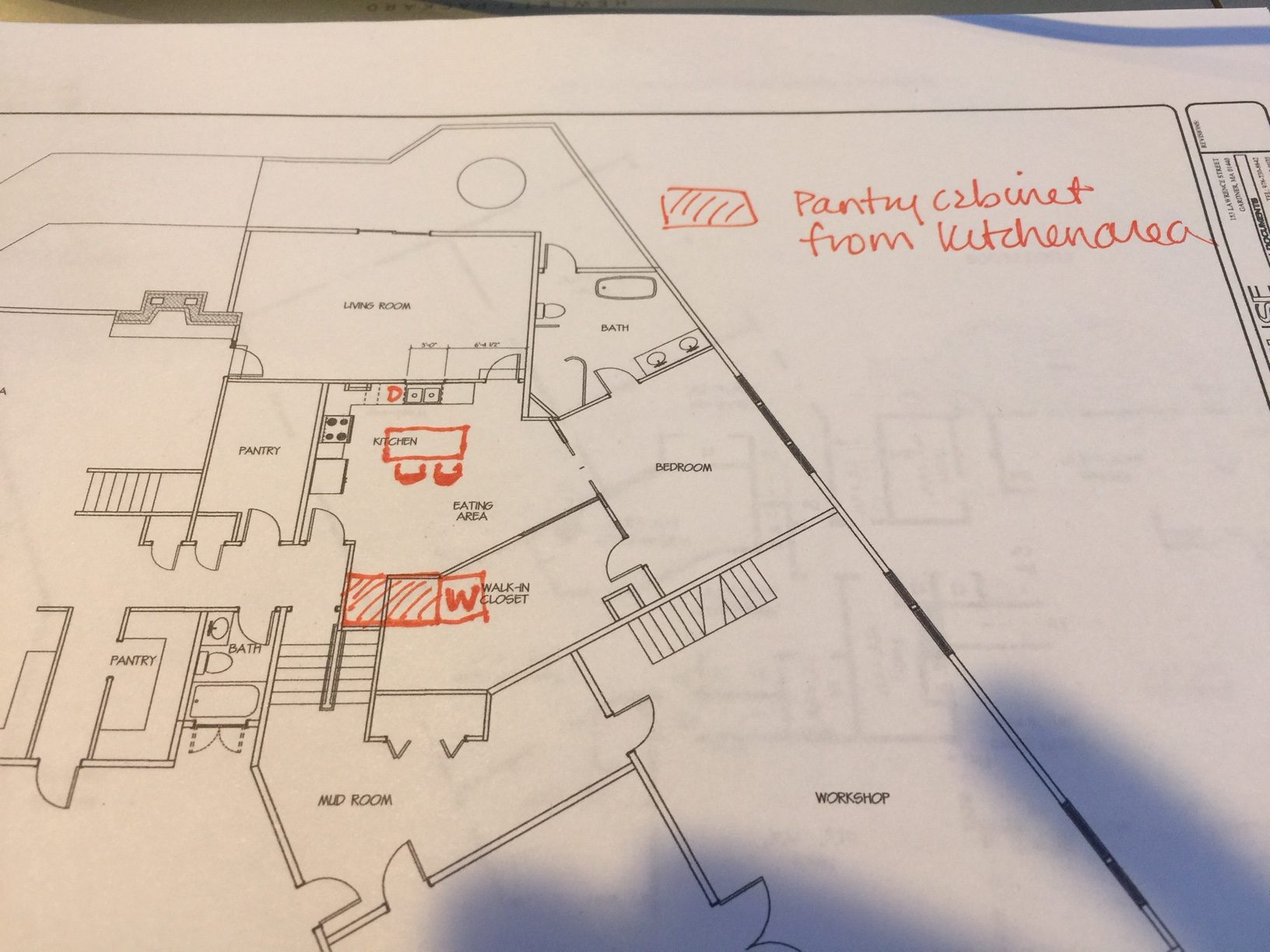
I wrote about our own multi-generational living experience a few years ago — you can read it here — and I will tell you that when we were in the thick of it, access to something like this would have saved us real money. We paid a plans designer to develop drawings before we even knew for certain whether our project was going to happen. Having a library of professionally designed plans as a starting point — even just to understand what’s possible and at what scale — is the kind of resource that could make the difference between someone moving forward and someone putting it in the “someday” pile indefinitely.
If you’re in early research mode, the state also has a statewide ADU Resource Center at where you can learn more about the permitting and planning process. I encourage you to read my primary story on our Accessory Dwelling Unit adventure if you’re considering multi-generational living for your family, or if converting a space in your home to use as a rental is something you’ve been thinking about. I’m always happy to brainstorm–so feel free to give me a call to chat about your ideas.